

Letting people be who they are
Learning intention By the end of this lesson, students can listen without interrupting or rushing to fix, and describe what helps another person feel accepted.
- Time
- 40 minutes
- How the room works
- Pairs
- You need
- A clock or timer
- Opens with
- Inner weather report
Before you start
Use neutral, self-chosen topics and keep passing available throughout. Listeners should not probe or promise secrecy.
Read the full safeguarding note Adapting it for your class A note home for this lesson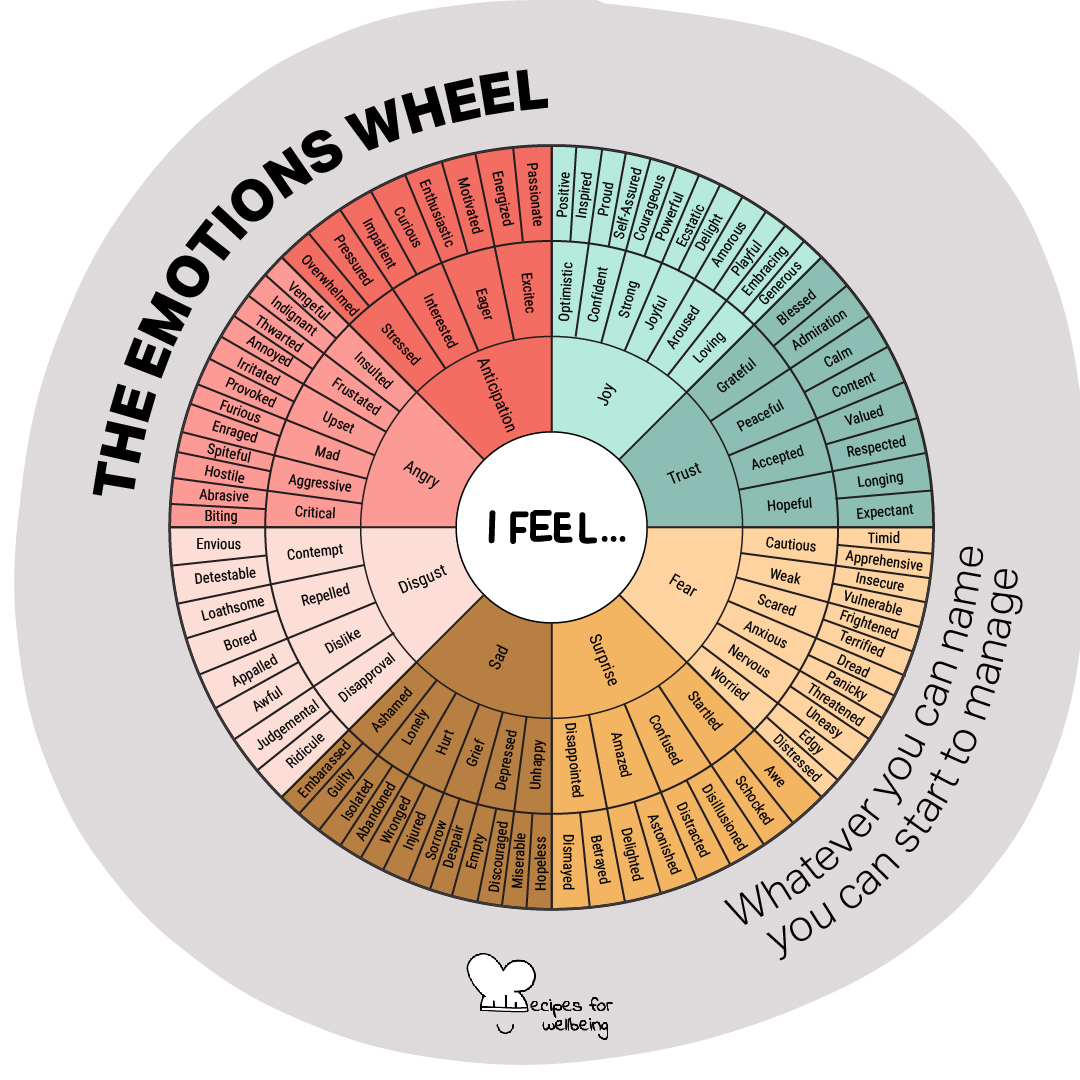
Open this drawing in the library
Why this matters
When someone tells us how they are, it can be tempting to answer with advice or a story of our own. Acceptance begins by staying with the person in front of us and allowing their experience to be what it is. We can still disagree or name harm. We listen first, then decide what should happen next.
Skill in context Meeting people with care and allowing them to be seen and heard without judgement.
On the skill of holding spaceTry the interactive practiceTry it yourself first
“Hold It, Fix Nothing” takes a few quiet minutes, just for you, before you teach it. Nothing you write in it is saved or sent.
Open with “Inner weather report”
5 minUse the Inner weather report card to help the class arrive. Students can offer one word or pass, and no one needs to explain or change their answer.
If the way you feel right now were weather, what would it be: clear, cloudy, warm, windy or something else?
Find one word without trying to improve the forecast, because uncomfortable weather belongs here as much as comfortable weather does.
When I reach your row, you can offer your word, say "pass", or shake your head, and I will move on. You will not be asked to explain it.
Notice how much can be present in one room, and let every answer remain as it is.
Listen for Students may borrow a word they have already heard, which can be a safe and honest way to take part. Do not read confidence or wellbeing into the words they choose.
Teacher explanation
10 minIn the opening practice, every forecast was allowed to be present. We can offer the same kind of room when another person speaks. Recipes for Wellbeing calls this holding space: giving someone our attention without judging, taking over or immediately trying to make the feeling disappear.
Listening does not make us responsible for solving everything, and acceptance does not require us to agree or stay silent when someone is unsafe. It asks us to understand what is being shared before we respond. Sometimes advice is useful, but it is kinder to find out whether it is wanted.
Questions for the room
- What can you see or hear when someone is giving another person their full attention?
- Why might we rush to offer advice before we know whether it is wanted?
- How can we accept someone's feelings while still keeping a boundary or disagreeing with their behaviour?
Just listen
15 min- Arrange pairs, with a trio if needed, and explain that the listener's task is to pay attention without giving advice, comparing experiences or taking over.
- Offer a low-disclosure topic, such as something ordinary you are looking forward to. Students can keep it light, choose another safe topic or pass.
- Partner A speaks for 90 seconds while Partner B listens. Keep the time and give a gentle signal at the end.
- Swap roles, inviting each listener to notice any urge to interrupt, fix or compare without acting on it.
- Ask pairs to discuss the experience rather than repeat the content. What helped the listening feel attentive, and what made it difficult?
- Gather general observations, then ask what a listener could say if they were unsure whether the speaker wanted comfort, advice or practical help.
Private reflection
7 minBring to mind a time when someone listened without trying to change how you felt. Without recording any private details, note what they did and where you might offer the same quality of attention this week.
How they reflect Private journal
Closing
3 minThe weather in someone else's day is theirs. We can make room for them to describe it, and ask what kind of support would be welcome before we offer an answer.
Safeguarding
Use neutral, self-chosen topics and keep passing available throughout. Listeners should not probe or promise secrecy. If a student shares something concerning, do not ask for details in front of the class; follow your setting's safeguarding and pastoral procedures.
If something a young person says gives you concern, follow your setting’s usual safeguarding route. This is not yours to carry alone.
Adapting it
In other settings
Take this lesson with you
The plan is editable, so you can change the names, the examples and the timings to fit the young people in front of you.
To teach

For students

Your email opens with this lesson named in the subject, and nothing is sent until you send it. A person reads these.
Or write to info@recipesforwellbeing.org
Take the collection into your classroom
Download the complete set of cards, lessons and educator notes in one file, or choose individual resources from their own pages.
Or only the cards: printable PDF or slides to project.

