

Making room for every voice
Learning intention By the end of this lesson, students can use a question, an invitation or a short silence to help more people take part in a group task.
This classroom lesson is the base for session 6 of Ten sessions for advocates.
- Time
- 41 minutes
- How the room works
- Groups of four or five
- You need
- Three paper tokens per student, or three fingers; one neutral challenge per group
- Opens with
- Making it rain
Before you start
Keep the challenge neutral and the reflection private. Speaking must remain invitational, and students should be able to contribute by writing, hosting or listening.
Read the full safeguarding note Adapting it for your class A note home for this lesson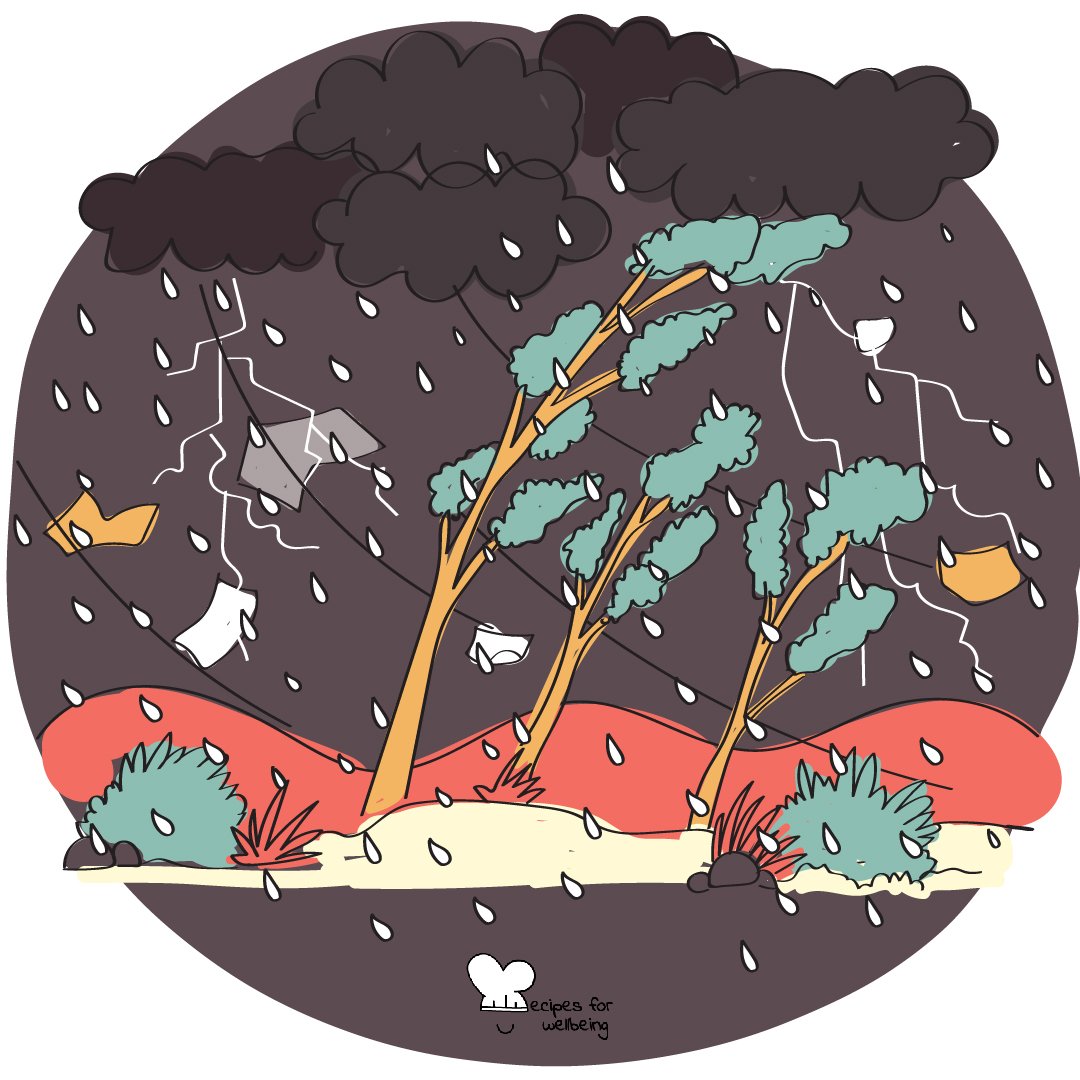
Open this drawing in the library
Why this matters
Groups shape much of school life, from friendships and group chats to lessons and teams. A group works more fairly when participation does not depend on being the quickest or loudest person in the room. Collaboration asks us to contribute and to notice what would help others contribute too.
Skill in context Helping a group take part in inclusive, participatory and caring dialogue.
On the skill of hosting conversationsTry the interactive practiceTry it yourself first
“The Silence You Don't Fill” takes a few quiet minutes, just for you, before you teach it. Nothing you write in it is saved or sent.
Open with “Making it rain”
5 minUse Making it rain to let the class build one sound together without speaking. Lead clearly and allow students to join with smaller movements or by listening.
We are going to make the sound of a rainstorm together. This one gets loud, so if that is hard today you can rub your palms only, or just watch. Follow my hands and begin by rubbing your palms as the wind starts to rise.
Add the first drops by clicking your fingers, move into steady rain by clapping, and then pat your legs or desk for the downpour.
We will bring the storm down in the opposite order until the room becomes quiet again.
Notice how the sound changed when we watched, listened and adjusted to one another.
Listen for Watch whether everyone can follow the pace and whether the volume remains comfortable. Joining quietly or listening should count as taking part.
Teacher explanation
10 minCollaboration means helping a group think together. That matters most when people bring different ideas, different levels of confidence and different ways of speaking up.
No one person is responsible for making a group inclusive, and an invitation to speak should never become pressure. Useful hosting moves include asking an open question, leaving time to think, checking whose idea has not been heard, and making room for writing or another form of contribution.
Questions for the room
- What helps you know that your contribution is welcome in a group?
- What can close a conversation even when nobody intends to exclude anyone?
- How can a group make room for quieter contributions without putting someone on the spot?
Everyone in
18 min- Give each group a neutral task, such as designing a useful 15-minute break or inventing a game with three ordinary objects.
- Give everyone three voice tokens. Each time a student speaks, they use one; when the tokens are gone, they move into listening and hosting.
- Name a first host whose task is to ask questions, hold short silences and make several ways of contributing available. Rotate the host halfway through.
- Run the challenge for eight minutes. If a group stalls, offer a question rather than an answer.
- Ask each group to agree on one response and identify a hosting move that helped the conversation.
- Gather one sentence from each group about its idea and one about how it made room for participation.
Private reflection
6 minThink of a group that works well, whether real or imagined. What does it do to make participation easier, and which hosting move could you try in a future group?
How they reflect Private journal
Closing
2 minAt the start, the room made one rainstorm by noticing and responding to other people. Collaboration grows through the same small choices: offering an idea, and leaving enough room for another voice to arrive.
Safeguarding
Keep the challenge neutral and the reflection private. Speaking must remain invitational, and students should be able to contribute by writing, hosting or listening. If exclusion or bullying is disclosed, do not investigate it in the group; follow usual safeguarding and pastoral procedures.
If something a young person says gives you concern, follow your setting’s usual safeguarding route. This is not yours to carry alone.
Adapting it
In other settings
Take this lesson with you
The plan is editable, so you can change the names, the examples and the timings to fit the young people in front of you.
To teach

For students

Your email opens with this lesson named in the subject, and nothing is sent until you send it. A person reads these.
Or write to info@recipesforwellbeing.org
Take the collection into your classroom
Download the complete set of cards, lessons and educator notes in one file, or choose individual resources from their own pages.
Or only the cards: printable PDF or slides to project.

