

What it means to be heard
Learning intention By the end of this lesson, students can listen for a sustained turn, reflect back what they heard and identify something that pulls attention away.
This classroom lesson is the base for session 4 of Ten sessions for advocates.
- Time
- 40 minutes
- How the room works
- Pairs
- You need
- An optional topic menu and a timer
- Opens with
- One word for the road
Before you start
Use light, self-chosen topics and make passing available. Listeners must not probe, interpret trauma or promise confidentiality.
Read the full safeguarding note Adapting it for your class A note home for this lesson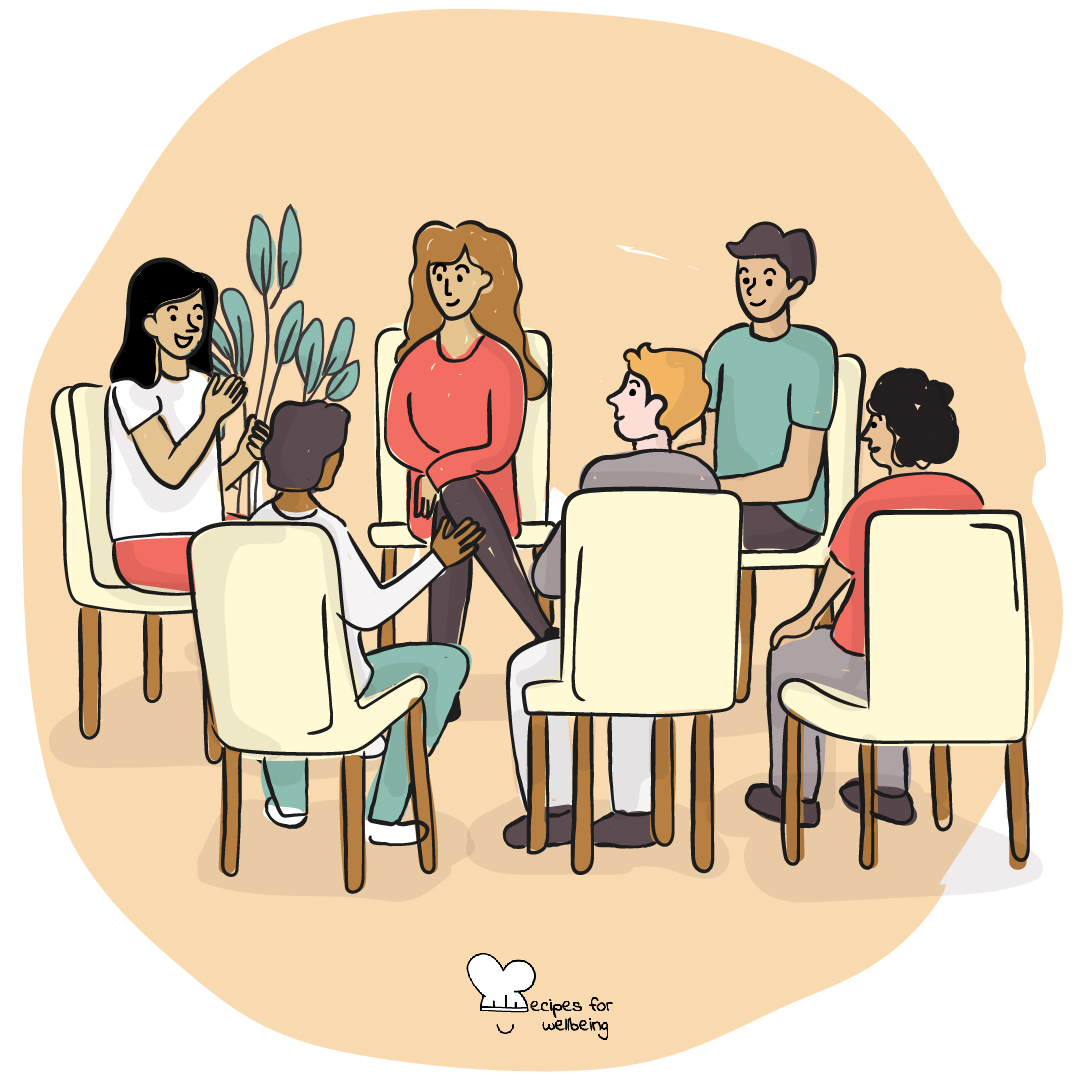
Open this drawing in the library
Why this matters
Many conversations happen beside notifications, tiredness and the pressure to prepare a reply. Listening well means giving enough attention to understand what another person is trying to say. It will not settle every disagreement. It can make a conversation more accurate and more human.
Skill in context Helping create inclusive and caring dialogue in which each voice can be heard.
On the skill of hosting conversationsTry the interactive practiceTry it yourself first
“The Silence You Don't Fill” takes a few quiet minutes, just for you, before you teach it. Nothing you write in it is saved or sent.
Open with “One word for the road”
5 minUse One word for the road to practise receiving without replying. Offer your own word first, and let pass remain a full response.
As we begin, find one word for how you are arriving today. Ordinary words such as tired, hungry or unsure are welcome.
Nobody needs to explain, and we will not respond to one another's words.
You can offer your word when it reaches you or say "pass".
Listen as the words travel through the room and allow each one to remain with the person who offered it.
Listen for Repeated words may appear, but do not turn them into a judgement about the class. Keep the pace unhurried and do not circle back to students who pass.
Teacher explanation
10 minListening means following what someone means, and coming back honestly when our attention wanders. We do not pretend we heard what we missed.
Reflecting back can help us check our understanding. It is a brief account of what the speaker chose to say. It does not guess at hidden feelings. A useful listener can also ask whether the person wants a question, a response or simply to be heard.
Questions for the room
- What do people do that shows they are listening, and which signs may vary between people or cultures?
- What commonly pulls attention away from a conversation?
- How can someone repair a moment when they realise they stopped listening?
An uninterrupted 90 seconds
18 min- Arrange pairs and offer light topics, such as a film to recommend, an ideal Saturday or something ordinary to look forward to. Students may choose another safe topic or pass.
- Partner A speaks for up to 90 seconds while Partner B listens without interrupting, advising or moving the conversation to their own experience.
- Partner B reflects one sentence beginning, "What I heard was..." or "What seemed important in what you said was..."
- The speaker can correct the reflection, and the listener may ask one open question if it is welcome.
- Swap roles and repeat.
- Discuss the process rather than the content: what supported attention, when did it wander and how did the listener return?
Private reflection
5 minWhat tends to pull your attention away in a conversation, and what could help you return honestly when you notice it happening?
How they reflect Private journal
Closing
2 minFull attention will not be possible in every moment. Listening is the practice of coming back, and letting the other person finish their own thought.
Safeguarding
Use light, self-chosen topics and make passing available. Listeners must not probe, interpret trauma or promise confidentiality. If a disclosure raises concern, pause the activity and follow usual safeguarding procedures privately.
If something a young person says gives you concern, follow your setting’s usual safeguarding route. This is not yours to carry alone.
Adapting it
In other settings
Take this lesson with you
The plan is editable, so you can change the names, the examples and the timings to fit the young people in front of you.
To teach

For students

Your email opens with this lesson named in the subject, and nothing is sent until you send it. A person reads these.
Or write to info@recipesforwellbeing.org
Take the collection into your classroom
Download the complete set of cards, lessons and educator notes in one file, or choose individual resources from their own pages.
Or only the cards: printable PDF or slides to project.

