

Returning to where you are
Learning intention By the end of this lesson, students can notice when attention has moved away and use one sensory anchor to return to the present.
- Time
- 40 minutes
- How the room works
- Individual and pairs
- You need
- Ordinary classroom objects
- Opens with
- Arriving here
Before you start
Internal attention can surface discomfort or difficult memories. Offer external visual and sound anchors, movement, quiet observation and leaving the room according to school procedures.
Read the full safeguarding note Adapting it for your class A note home for this lesson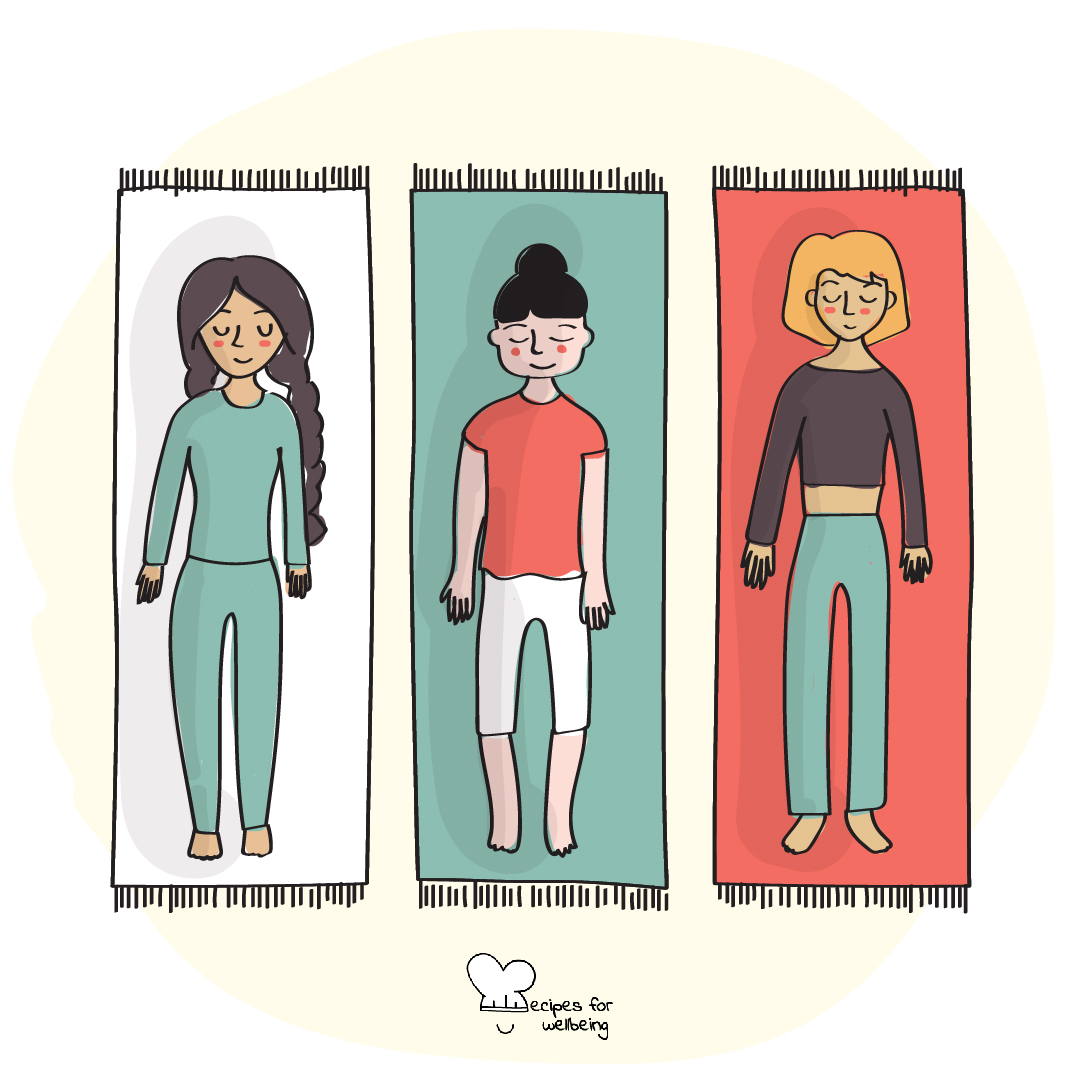
Open this drawing in the library
Why this matters
Attention moves between memories, plans, screens and whatever is happening in front of us. Presence is the repeated practice of noticing where attention has gone and deciding whether to return. Nobody holds attention perfectly or empties the mind.
Skill in context Bringing your attention to the present moment with openness and care.
On the skill of presenceTry the interactive practiceTry it yourself first
“Where the Body Already Is” takes a few quiet minutes, just for you, before you teach it. Nothing you write in it is saved or sent.
Open with “Arriving here”
5 minUse Arriving here to notice one sound, one bodily sensation and one thought. Eyes remain open by default, and students do not need to change what they find.
Before we begin, take a moment to arrive in this room and sit in whatever way feels comfortable.
Let your attention rest on three things: a sound in the room, a sensation in your body and a thought passing through your mind.
You do not need to change any of them, because noticing is the whole practice.
When you are ready, bring your attention back to the room and look up.
Listen for Some students may need longer or prefer to focus only on external sounds and sights. Do not interpret eye contact or stillness as proof of presence.
Teacher explanation
10 minOur minds move through time and possibility because that is part of thinking. Presence does not make this movement wrong. It helps us recognise when the mind is somewhere different from the task, conversation or experience we want to meet.
An anchor is one present detail we can return to, such as contact with the floor, a sound, an object or an ordinary breath. Coming back may happen many times, and each return is part of the practice. Sometimes turning attention away is protective, so choice and safety matter more than staying with an uncomfortable sensation.
Questions for the room
- What most often competes for people's attention?
- How does an absorbed experience differ from one met with divided attention?
- When might external rather than internal attention feel safer or more useful?
Three ways back to now
16 min- Introduce anchors as present details that attention can rest on, with sitting, standing and movement available.
- Try a contact anchor by noticing the floor, chair or another surface supporting the body for five seconds.
- Try a sound anchor by identifying several separate sounds, or use visual details if listening closely is uncomfortable.
- Try one ordinary breath without changing its depth or pace.
- In pairs, each person describes a neutral object for one minute while their partner listens. The task is detailed attention, not an impressive description.
- Discuss how often attention wandered and how it returned, without ranking anyone's concentration.
Private reflection
6 minWhere does your attention become absorbed naturally, and which anchor might help when you want to return to what is in front of you?
How they reflect Private journal
Closing
3 minAttention will wander again, because that is what minds do. Presence is the moment you notice and choose where to place it next.
Safeguarding
Internal attention can surface discomfort or difficult memories. Offer external visual and sound anchors, movement, quiet observation and leaving the room according to school procedures. Do not press for an explanation of non-participation.
If something a young person says gives you concern, follow your setting’s usual safeguarding route. This is not yours to carry alone.
Adapting it
In other settings
Take this lesson with you
The plan is editable, so you can change the names, the examples and the timings to fit the young people in front of you.
To teach

For students

Your email opens with this lesson named in the subject, and nothing is sent until you send it. A person reads these.
Or write to info@recipesforwellbeing.org
Take the collection into your classroom
Download the complete set of cards, lessons and educator notes in one file, or choose individual resources from their own pages.
Or only the cards: printable PDF or slides to project.

