

Meeting pressure with more support
Learning intention By the end of this lesson, students can notice one sign of stress and try several optional practices that may create a little space during pressure.
- Time
- 40 minutes
- How the room works
- Whole class
- You need
- Optional private paper and pens
- Opens with
- Befriending the flutter
Before you start
Breath and body attention may be uncomfortable for students with asthma, panic, trauma or other health needs. Follow individual health plans, stop if dizziness or distress appears and make external attention and non-participation easy.
Read the full safeguarding note Adapting it for your class A note home for this lesson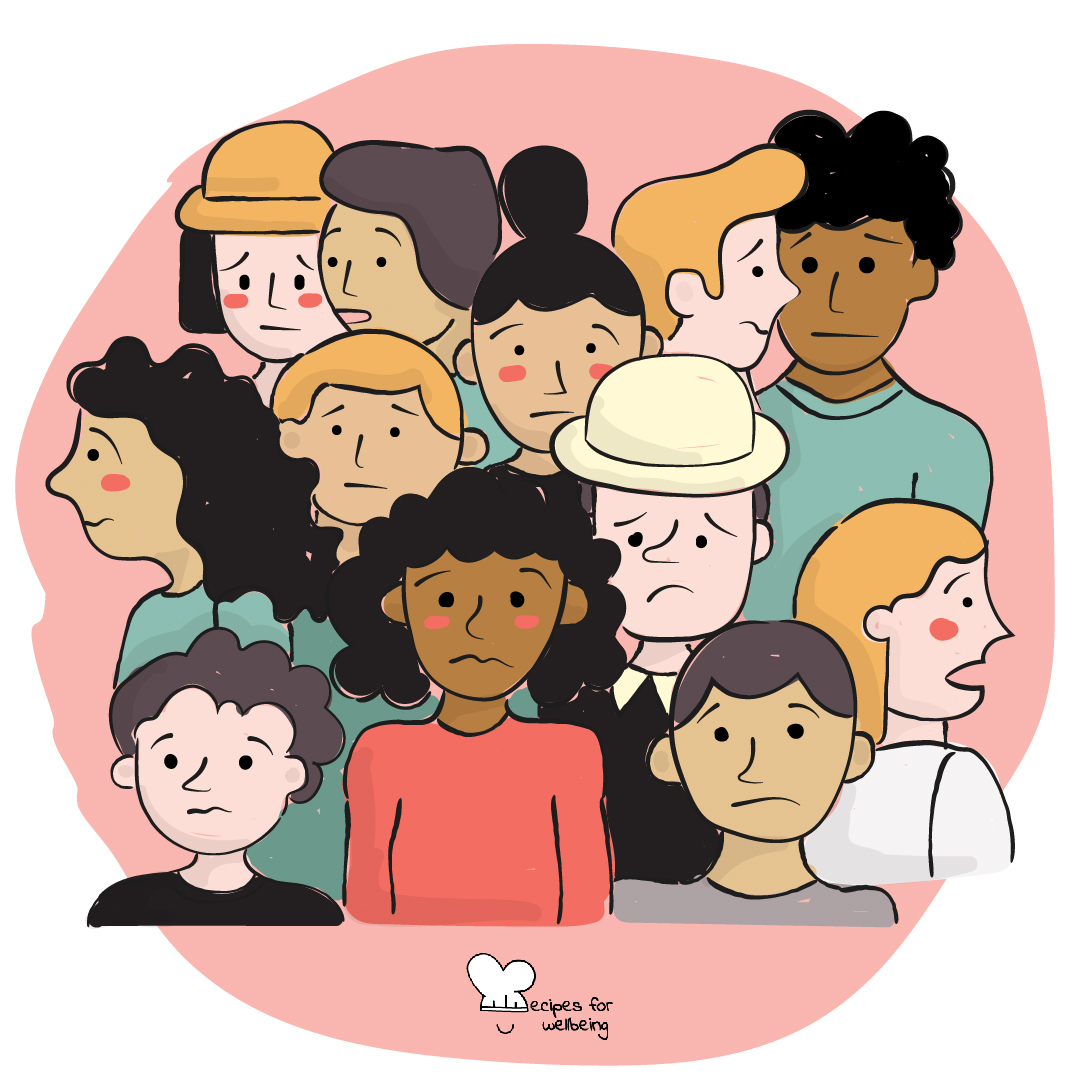
Open this drawing in the library
Why this matters
Stress may appear before an exam, after a difficult message or in response to demands that have lasted too long. Noticing the response can help us choose support, but stress is not always something an individual can breathe away. This lesson offers several practices alongside the need for rest, practical help and changes to the conditions causing pressure.
Skill in context Using attention, breath and other forms of support to meet pressure in the present moment.
On the skill of breathingTry the interactive practiceTry it yourself first
“One Rhythm You Can Steer” takes a few quiet minutes, just for you, before you teach it. Nothing you write in it is saved or sent.
Open with “Befriending the flutter”
5 minUse Befriending the flutter with external attention and non-participation available. Students should not be asked to locate or thank a bodily sensation if that feels uncomfortable.
Pressure may be present today as a busy thought, a tight muscle, a fluttering feeling or nothing you can name.
If it feels comfortable, notice one sign without trying to make it disappear. You can also focus on an object or sound in the room.
Ask what the response may need from you, such as time, movement, information, support or a smaller next step.
Take an ordinary breath or simply return your attention to the room. Nothing has to change before we begin.
Listen for Do not monitor shoulders, faces or breathing for signs that the practice worked. Watch only for discomfort and offer an easy route back to external attention.
Teacher explanation
10 minStress involves the body and mind responding to demand. The response can sometimes support action, and it can also become exhausting, painful or difficult to manage, especially when pressure is intense or prolonged.
Breathing is one possible way to pause because its rhythm can be noticed and gently adjusted. It is not universally calming and should never replace medical, pastoral or practical support. A more useful question than "How do I make this feeling go away?" is "What might help me meet this moment safely?"
Questions for the room
- What signs may tell a person that pressure is building, and how might those signs vary?
- Why does "just relax" often fail to respond to what someone needs?
- Which sources of stress require a personal practice, another person's help or a change in conditions?
Build a pressure toolkit
15 min- Explain that the class will sample several options, with ordinary breathing, watching or passing available at every stage.
- Try finger tracing: move one finger slowly up and down the other hand, breathing comfortably or ignoring the breath entirely.
- Try a counted breath with a gentle in-breath and a slightly longer out-breath. Remove holds and shorten every count as needed.
- Try an external anchor by identifying a colour, sound and point of contact with a surface.
- Add non-breath options, such as movement, water, clearer information, a quieter place, contacting a trusted person or reducing the next task.
- Students privately mark what felt usable, unsuitable or worth adapting. Nothing is collected and no one needs to state a preference aloud.
Private reflection
7 minPicture an ordinary moment of pressure without naming it. Which practice, person or practical change may fit, and what could remind you that more than one kind of support is available?
How they reflect Private journal
Closing
3 minThese practices will not fix every source of stress, and they do not need to. They offer a few ways to make room and reach for the next kind of support.
Safeguarding
Breath and body attention may be uncomfortable for students with asthma, panic, trauma or other health needs. Follow individual health plans, stop if dizziness or distress appears and make external attention and non-participation easy. Refer persistent or serious concerns through pastoral, medical and safeguarding routes.
If something a young person says gives you concern, follow your setting’s usual safeguarding route. This is not yours to carry alone.
Adapting it
In other settings
Take this lesson with you
The plan is editable, so you can change the names, the examples and the timings to fit the young people in front of you.
To teach

For students

Your email opens with this lesson named in the subject, and nothing is sent until you send it. A person reads these.
Or write to info@recipesforwellbeing.org
Take the collection into your classroom
Download the complete set of cards, lessons and educator notes in one file, or choose individual resources from their own pages.
Or only the cards: printable PDF or slides to project.

