


As if… game
Reality and experience can be represented, staged, and, above all, transformed. ―Anna Bondioli and Donatella Savio, Osservare il gioco di finzione: una scala di valutazione delle abilità ludico-simboliche infantili (1994).
👥 Serves: 2-10 people
🎚 Difficulty: Medium
⏳ Total time: 31-60 minutes, Ongoing
🥣 Ingredients: A quiet space where you won’t be disturbed, a timer, pens and paper, optional props (hats, scarves, small objects that can aid role play)
🤓 Wholebeing Domains: Liberatory Learning, Positive Emotion, Ritualising
💪 Wholebeing Skills: Celebration, Creativity, Curiosity, Embodiment, Liberation, Optimism, Play, Reflection, Reframing
As if… game
📝 Description
Cultivating the capacity to become a “new self”.
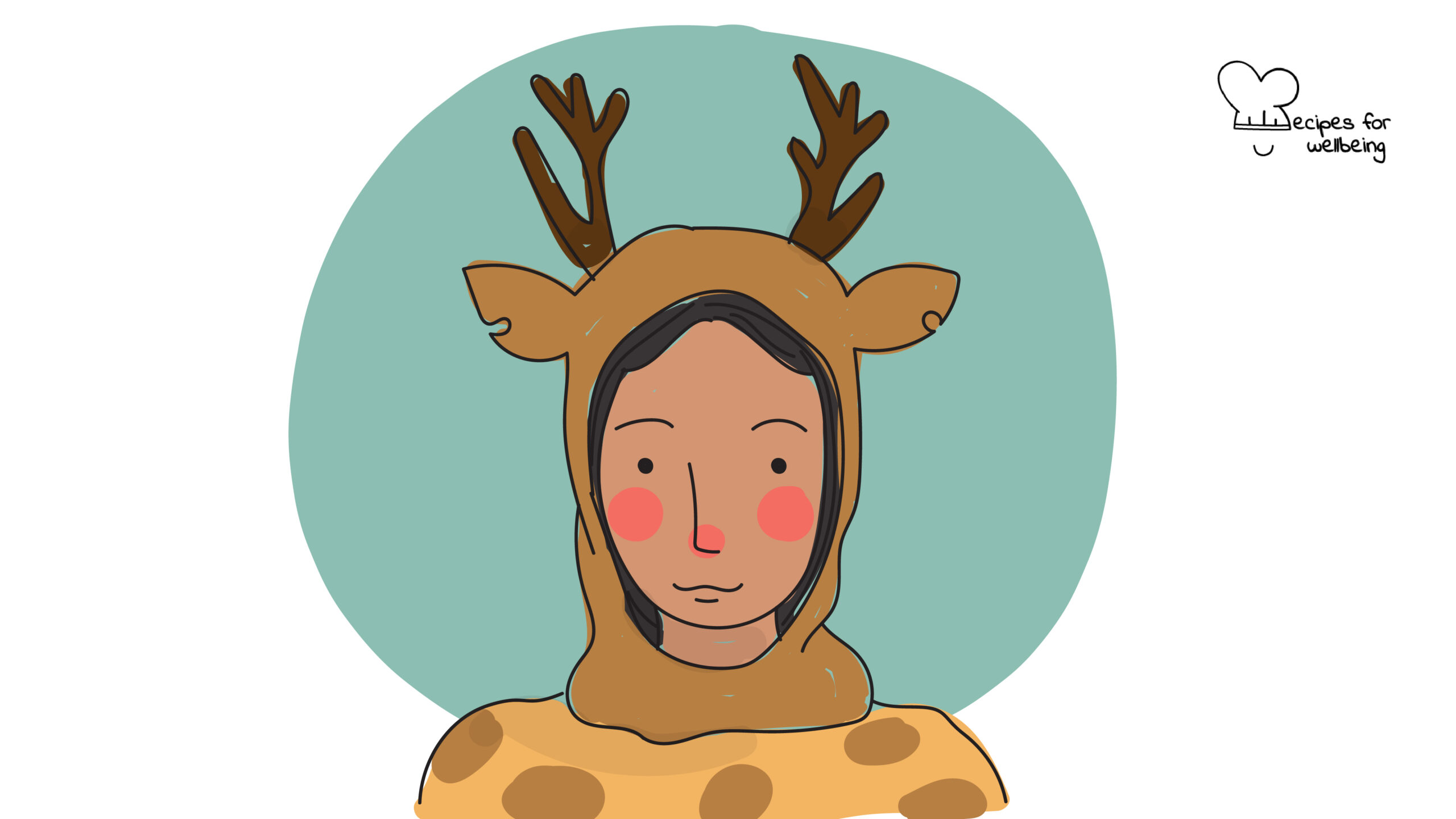
This activity draws on the imaginative power of childhood, when pretending was not escape, but exploration. Children often behave “as if” something were true without needing proof or permission, and in doing so, they loosen the grip of fear and explore new worlds.
Through this exercise, you will learn to temporarily adopt a different mindset, behaving as if a supportive belief or state were already present in your life. This simple but powerful shift can disarm intrusive thoughts and unlock dormant capacities, plus it can help interrupt self-sabotaging loops and begin to rewrite your inner narrative from a place of possibility and presence.
This activity has been kindly donated by Alice Siracusano of Nati Per Cambiare.
🌟 Steps
Step 1 – Preparation (10’)
Choose a peaceful, distraction-free setting. Explain to your partner(s) that the activity is based on temporarily embodying a new belief or role, as children do in their imaginative way. Emphasise that they don’t need to “believe” in the role, they only need to act “as if” it were true, and observe what becomes possible. Encourage a light and curious atmosphere.
Step 2 – Choose a self-limiting belief (15’)
Take a few minutes individually to identify a self-limiting belief or recurring negative thought about themselves, e.g. “I’m not creative”, “I don’t deserve good things in life”, “Things never work out for me”, etc. Write it on a sheet of paper.
Then, on a separate sheet of paper, reframe that belief in a “positive”, present tense, as if it were already true, e.g. “I’m full of creativity”, “I experience good things in life”, “Life supports me”, etc. This is now your “as if” self: your temporary truth for the rest of the activity.
Step 3 – Embody the “as if” version (15’ per participant)
With your partner(s), set a timer for 15 minutes each. Take turns embodying your “as if” self in conversation. You may talk, move, and express yourself from the place where that belief is already real. You can share stories, tell jokes, offer advice, or simply chat, all from this new perspective.
Your partner is invited to listen actively, encouraging play, and asking questions to deepen the role:
- What does your day look like now?
- What are you excited about in your life?
- What did you stop doing?
If appropriate, you may add simple props or postures that help you physically shift into this version of yourself.
Step 4 – Reflection (15’)
Now spend 15 minutes to journal or share reflections on the experience:
- What did you feel while embodying this new belief?
- What was surprising, awkward, or liberating?
- Did any unexpected emotions or insights emerge?
Step 5 – Practise daily (ongoing)
Choose a real-life situation (social, professional, creative, etc.) where your “as if” self will take the lead. Commit to acting from that place at least once a day for a week.
Write down your “as if” belief on a sticky note and place it where you will see it often (e.g. mirror, notebook, door). If helpful, set reminders on your phone to pause and ask: “What would my ‘as if’ self do right now?”
Step 6 – Sharing (30’)
After one week, reconnect with your partner(s) to share what happened.
- What shifted in your thoughts or actions?
- Were there moments when the “as if” belief began to feel more natural or true?
- What challenges did you face?
- Do you want to continue exploring this self, or try a new one?
End the session by celebrating each other’s courage in experimenting with new ways of being.