

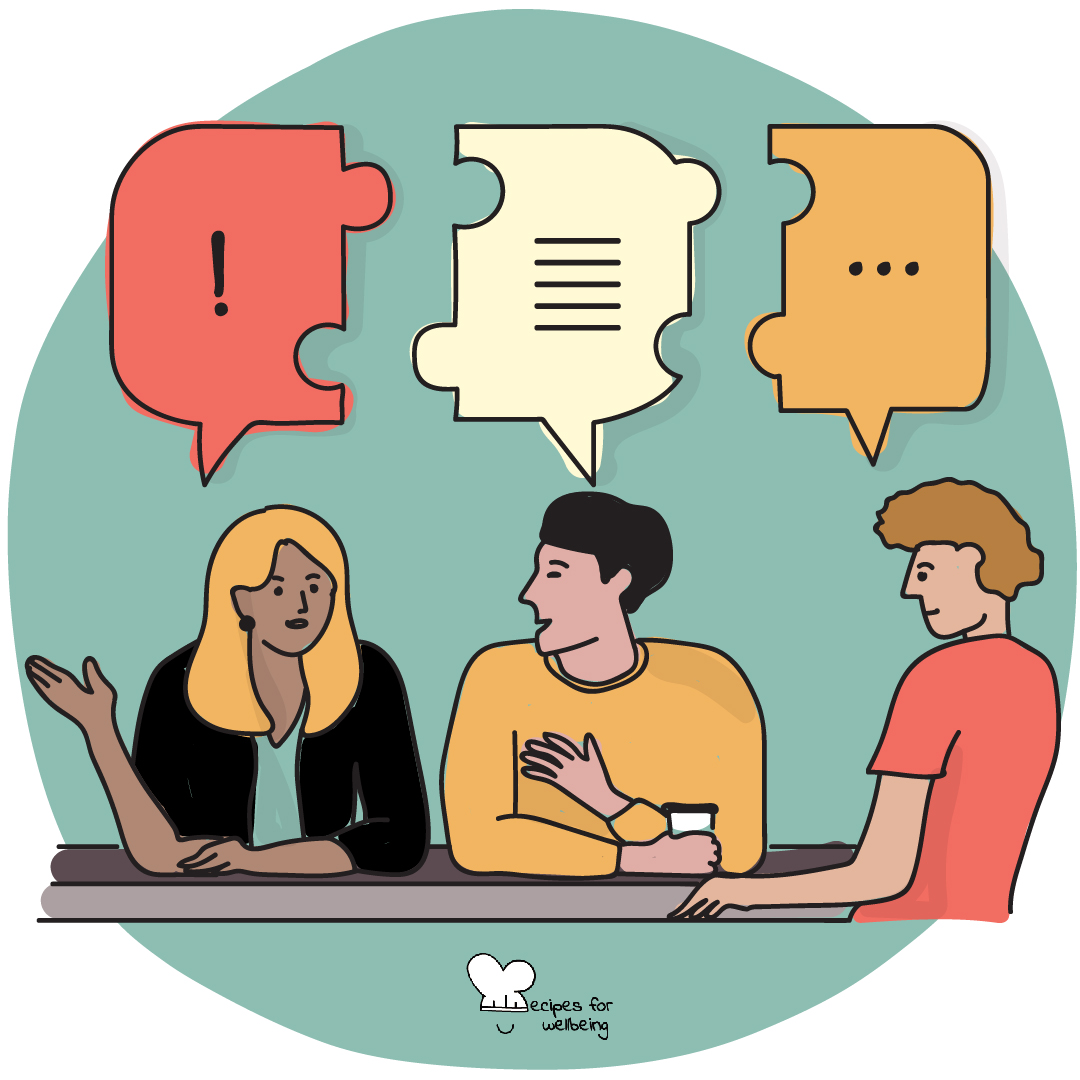
Returning to community to resolve conflicts
“(…) Indigenous people tend to interpret hurtful actions less individualistically and more as signs of imbalances within the community as a whole–imbalances that affect everyone. In this sense, offenders help the community by drawing attention to imbalances. . . . The responsibility for harms is distributed and shared.” ―Wanda D. McCaslin (Métis)
👥 Serves: 11-25 people, 2-10 people, 26-40 people, 41+ people
🎚 Difficulty: Hard
⏳ Total time: Ongoing
🥣 Ingredients: “Restoring the Kinship Worldview” book by Wahinkpe Topa (Four Arrows) and Darcia Narvaez (if you’re curious to find out more about it!)
🤓 Wholebeing Domains: Community, Discomfortability, Liberatory Learning, Radical Care
💪 Wholebeing Skills: Acceptance, Compassion, Conflict transformation, Empathy, Feedback, Forgiveness, Hosting conversations, Listening, Self-regulation, Vulnera-bravery
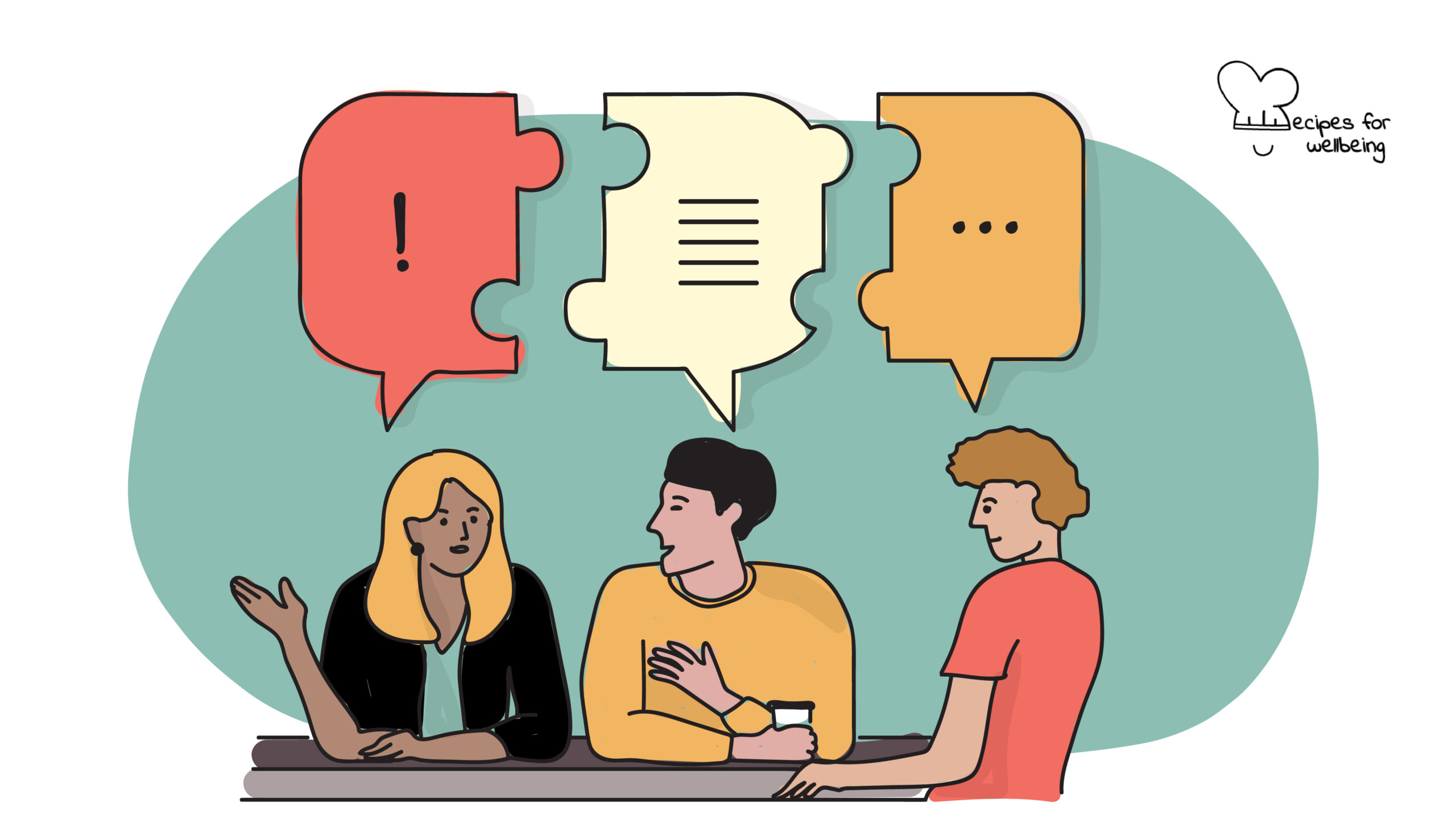
Returning to community to resolve conflicts
📝 Description
Practices to restore a community from an individual’s damaging behaviour.
The concept of ‘restorative justice’ has been present in Indigenous cultures for thousands of years as it is embedded in a worldview that prioritises community and harmony over punishment or revenge. In the book Restoring the Kinship Worldview, authors Wahinkpe Topa (Four Arrows) and Darcia Narvaez explain that “[p]erpetrators were considered to be an integral part of the community because of their important role in defining what was inappropriate behavior and pointing out weak spots in the community that influenced it. The ultimate goal of the process was not punishment, but rather to restore peace and harmony in the community.” The following recipe shares a few practices (adapted) that Rupert Ross learned to help a community recover from an individual’s damaging behaviour.
If you are interested in diving deeper into Indigenous worldview precepts, check out our recipe “Challenging dominant worldviews”.
👣 Steps
Step 1 – Framing
As your community engages with the practices in the following steps, it is essential to accept that the focus is on healing instead of punishing, on connecting instead of maintaining disconnection, and on regenerating trust instead of allowing distrust to fester.
Step 2 – Focus on relationships
Start with honouring everyone’s gifts and responsibilities so you can build respectful and trusting relationships that will support the healing process. Ensure these relationships extend to everything in Nature, not just between humans. In fact, experiencing the land can help the community connect to something greater than themselves and approach the healing process with a more grounded energy.
Step 3 – Focus on group healing for individual healing
The healing of the individual is intrinsically connected to the healing of the group. Invite people to sit in a circle as equals, recognising that everyone’s healing is socially situated in the nest of relationships and responsibilities.
Step 4 – Focus on emotional healing
Approach the healing from an emotional point of view versus a cognitive process. In fact, talking is not always necessary to restore the health of the community. If your community is not equipped to work with emotions, there are a few recipes that can help, such as Catharsis through clay, Colourful confusions, Cycle of emotions, STOPP Framework, and Wordtangles to untangle the mind.
Step 5 – Focus on actions and behaviours
Instead of ‘shaming’ the perpetrator and labelling them a ‘bad person’, it is more helpful to separate the person from their actions and behaviours. This allows you to help the perpetrator change their ways of relating instead of trying to change the person.